





Similar Posts

ADHD Success Guide: Must-Know Facts 2025
Keystone Healthcare LLC is staffed by licensed clinicians and operates in full compliance with the Massachusetts Department of Mental Health (104 CMR 27.00), HIPAA, and applicable telehealth regulations. This blog post is intended for educational purposes only. What Is ADHD, Really? Attention-Deficit/Hyperactivity Disorder (ADHD) is a neurodevelopmental condition that affects both children and adults. It…

How to Tell If It’s ADHD, Anxiety, or Both
How to Tell If It’s ADHD, Anxiety, or Both If you’ve ever asked yourself: “Am I anxious… or do I just have ADHD?” “Why can’t I focus — even when I’m not stressed?” “Is it overthinking or executive dysfunction?” You’re not alone. In fact, up to 50% of adults with ADHD also have an anxiety…

Adderall vs. Vyvanse: Which ADHD Medication Is Best for You?
Vyvanse and Adderall are two of the most frequent stimulant drugs used to treat Attention-Deficit/Hyperactivity Disorder (ADHD). This article compares these therapies based on their efficacy, side effects, potential for misuse, and what doctors should consider when prescribing them. We at Keystone Counselling Healthcare think that people should be able to make clear and confident…
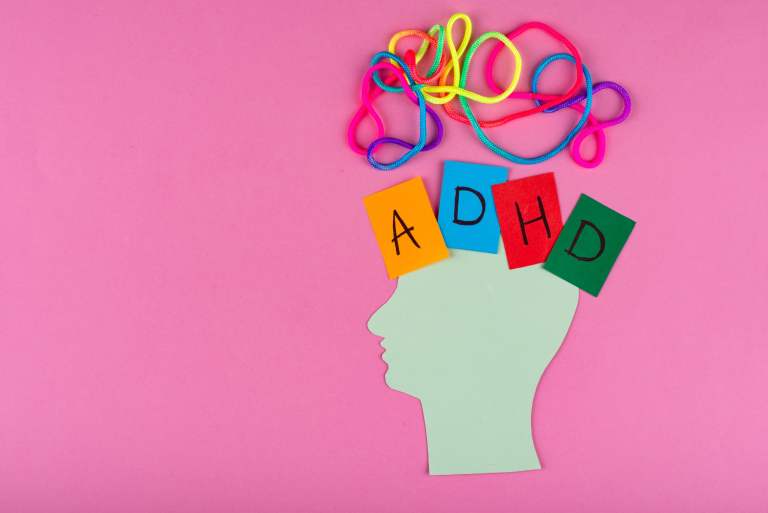
How to Stop ADHD Doomscrolling: Therapist-Backed Strategies for Boston Brains
Ever find yourself stuck in a scroll loop at 1AM, telling yourself “just one more video,” only to realize it’s been 90 minutes—and you’re more anxious than when you started? You’re not lazy. You’re not broken. Doomscrolling is a digital coping mechanism — and for ADHD brains, it’s uniquely powerful and uniquely hard to stop….

ADHD in Portsmouth NH: 7 Hidden Signs Professionals Miss
ADHD in Portsmouth, New Hampshire: 7 Signs Professionals Often Miss It’s easy to picture what ADHD looks like in a child—fidgeting, blurting out answers, running instead of walking. But ADHD in Portsmouth, New Hampshire, professionals often wear a very different mask. It may look like a missed deadline, a forgotten appointment, or the constant need…

Natural Alternatives to Adderall: 5 Powerful Options That Actually Work
If you’re an adult managing ADHD, chances are you’ve heard of — or even been prescribed — Adderall. It’s one of the most common medications for attention-deficit hyperactivity disorder. Known for its ability to boost focus and motivation, Adderall has helped many people stay on task, whether in college classrooms or demanding work environments. But…