





Similar Posts

20 Best Alternatives to Adderall For ADHD | Psychiatrist Approved
Struggling with ADHD symptoms but not sure if Adderall is right for you? Whether you’re facing side effects, dependency concerns, or just want a more holistic path, there are effective alternatives — from prescription options to natural supplements and behavioral therapy. At Keystone Counseling Boston, our diverse team of clinicians specializes in ADHD treatment and…

Natural Alternatives to Adderall: 5 Powerful Options That Actually Work
If you’re an adult managing ADHD, chances are you’ve heard of — or even been prescribed — Adderall. It’s one of the most common medications for attention-deficit hyperactivity disorder. Known for its ability to boost focus and motivation, Adderall has helped many people stay on task, whether in college classrooms or demanding work environments. But…
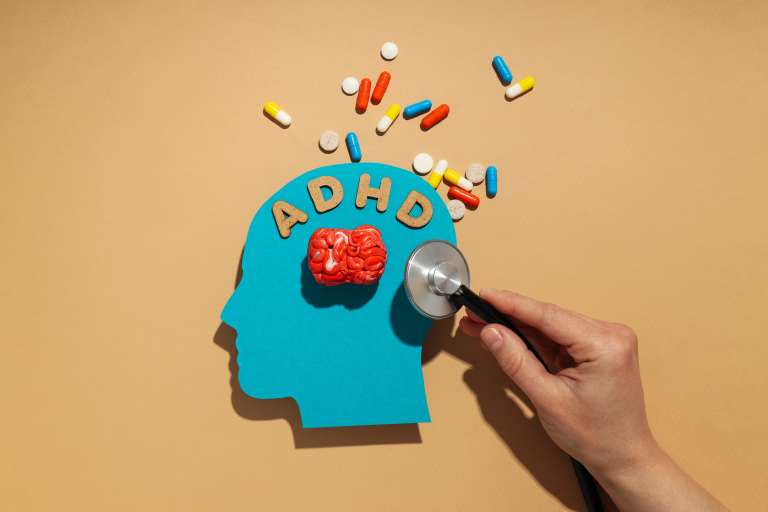
7 Powerful Nootropics for ADHD That Actually Work
Attention Deficit Hyperactivity Disorder (ADHD) affects millions of adults and children worldwide, often showing up as inattention, impulsivity, and hyperactivity. While medications and behavioral therapy are mainstays in treatment, many individuals and families come to us at Keystone Counseling Healthcare asking the same question: “Are there natural ways to help manage my ADHD symptoms?” The…

ADHD in Durham, NH: 7 Truths UNH Students Should Know
Understanding ADHD in Durham, NH For many University of New Hampshire (UNH) students in Durham, the start of college is filled with promise—new freedoms, big goals, and endless to-do lists. But for students with ADHD that same freedom can quickly feel overwhelming. Unfortunately, ADHD is still too often misunderstood as laziness, lack of discipline, or…

ADHD in Dover, NH – 7 Clear Signs It’s Not Just a Phase
When a child struggles to sit still, listen, or follow directions, it can be hard for Dover parents to know whether it’s just a phase or something more profound, like ADHD. ADHD in Dover, New Hampshire, is more common than many realize, but distinguishing it from typical behavior issues can be confusing. Many families in…

Adderall vs. Vyvanse: Which ADHD Medication Is Best for You?
Vyvanse and Adderall are two of the most frequent stimulant drugs used to treat Attention-Deficit/Hyperactivity Disorder (ADHD). This article compares these therapies based on their efficacy, side effects, potential for misuse, and what doctors should consider when prescribing them. We at Keystone Counselling Healthcare think that people should be able to make clear and confident…