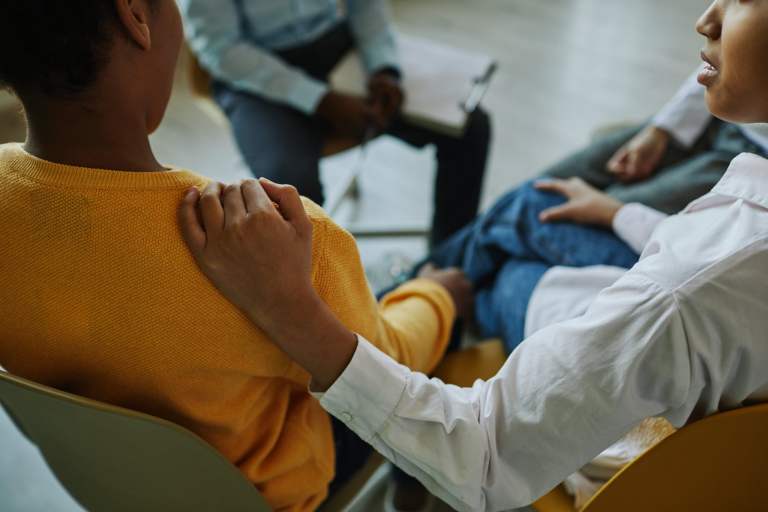
Trauma in Dover, NH: 7 Hidden Ways It Impacts Families

Trauma in Dover, New Hampshire: 7 Ways It Affects Families
When we think of trauma, we often imagine a single, painful event — a car accident, a natural disaster, or abuse. But in many homes across Dover, New Hampshire, trauma shows up in quieter, more persistent ways. And the effects don’t stop with the child — they ripple through the whole family.
Whether it’s a parent silently struggling with PTSD, a child reacting to emotional neglect, or a family recovering from a loss, trauma in Dover, New Hampshire, is more common than we might assume. And it can quietly affect the emotional temperature of a household in lasting ways.
Let’s explore how trauma manifests within families — and what healing can look like, especially in a close-knit community like Dover.
How Trauma in Dover, New Hampshire Shows Up in Family Life
1. Emotional Distance Between Parents and Children
Families in Dover often pride themselves on being connected — but trauma can erode that connection over time. A child who has experienced trauma might become withdrawn, moody, or easily triggered. Meanwhile, a parent unsure how to respond may back off, misreading the behavior as “just acting out.”
“I used to think my daughter was just being difficult,” one Dover mom shared. “But when her counselor explained how trauma works, it all made sense — she wasn’t distant, she was scared.”
2. Parenting Feels Like Walking on Eggshells
Trauma-affected kids may be extra sensitive to tone, rules, or change. Even something simple like transitioning from screen time to dinner can cause major meltdowns. Parents may feel like they’re constantly managing emotional landmines — not because they’re doing anything wrong, but because the nervous system is stuck in survival mode.
3. Siblings Are Affected Too
One child’s trauma often becomes a family dynamic. Siblings might feel neglected or confused by the attention given to the child in crisis. This can stir up jealousy, resentment, or their own acting-out behaviors — adding more stress to the home.
Why Trauma in Dover, New Hampshire Feels So Hidden
Dover is a beautiful town — safe schools, supportive neighborhoods, a strong sense of community. But trauma doesn’t always happen in dangerous places. It happens when someone feels unsafe, unseen, or unsupported — even in homes that look fine from the outside.
Sometimes, trauma is multigenerational. A parent’s unresolved childhood pain can shape how they respond to their own child’s distress. Other times, it’s a single event — like a medical scare, a divorce, or a bullying incident — that changes everything.
Trauma in Dover, New Hampshire, doesn’t always come with a headline or diagnosis. But its effects are real, and they can disrupt the emotional balance of even the most loving families.
The Ripple Effects: 4 More Family Impacts of Trauma
Communication Breakdowns
Words matter — but when trauma is involved, families may stop talking altogether or slip into blame, guilt, or avoidance. Honest conversations become harder, and misunderstandings grow.
Mental Health Struggles for Parents
Supporting a child with trauma is deeply emotional. Parents often carry secondary trauma — sleeplessness, anxiety, guilt, even depression — while trying to hold everything together. Without support, they can quietly burn out.
Academic and Behavioral Struggles
Teachers and counselors in Dover schools are often the first to notice changes — falling grades, detentions, or withdrawal. These can be early signs that something deeper is going on at home or within the child.
Hope Feels Hard to Hold Onto
Perhaps the most difficult effect is this: families may start to believe that things will never get better. That therapy won’t help. That the “old normal” is gone for good. But that’s not true.
Healing is possible — especially when trauma is named and addressed with care.
Healing From Trauma in Dover, New Hampshire: Small Steps Matter
No family is perfect. And no family is broken beyond repair.
In Dover, we see families begin to heal every day — not through overnight fixes, but through slow, steady connection. Through therapy that honors the story behind the symptoms. Through trauma-informed care that invites safety, curiosity, and patience back into the home.
You don’t need to “fix” your child. You just need to be willing to walk with them as they heal — and to get support for yourself along the way.
If your family is struggling with the unseen effects of trauma in Dover, New Hampshire, you’re not alone. Trauma can silence, isolate, and confuse — but it doesn’t have to define your story.
Is trauma quietly affecting your family?
Keystone Counseling supports Dover families with trauma-informed therapy that rebuilds safety and trust.
Book a Free Consultation
FAQ's
Children in Dover who are struggling with trauma may show changes in behavior, sleep, appetite, or emotions. You might notice increased irritability, withdrawal, fearfulness, defiance, or clinginess. Sometimes it looks like anxiety or ADHD, but underneath, there may be a history of emotional overwhelm or a distressing event that hasn't been processed yet.
Absolutely. Trauma rarely affects just one person — it shifts how everyone in the family communicates, relates, and responds to stress. Whether it’s a child recovering from a loss or a parent coping with their own past, trauma in Dover, New Hampshire often becomes a shared experience that needs shared support.
Families may experience trauma due to divorce, sudden loss, accidents, abuse, chronic illness, bullying, or even witnessing violence. Some traumas are complex and long-term, while others stem from a single incident. Dover’s strong community helps, but even in supportive environments, trauma can leave lasting emotional impact without intervention.
Keystone Counseling offers trauma-informed therapy that’s accessible through telehealth for Dover residents. While we don't list public contact info here, if you’re receiving this blog through internal channels, please reach out to Caleb or Shelton to learn more about scheduling or referrals. Getting help is a strong and compassionate choice for your family.